May 15, 2026
Trends & Markets
SITL 2026: what the European trade fair told us about the new global logistics landscape
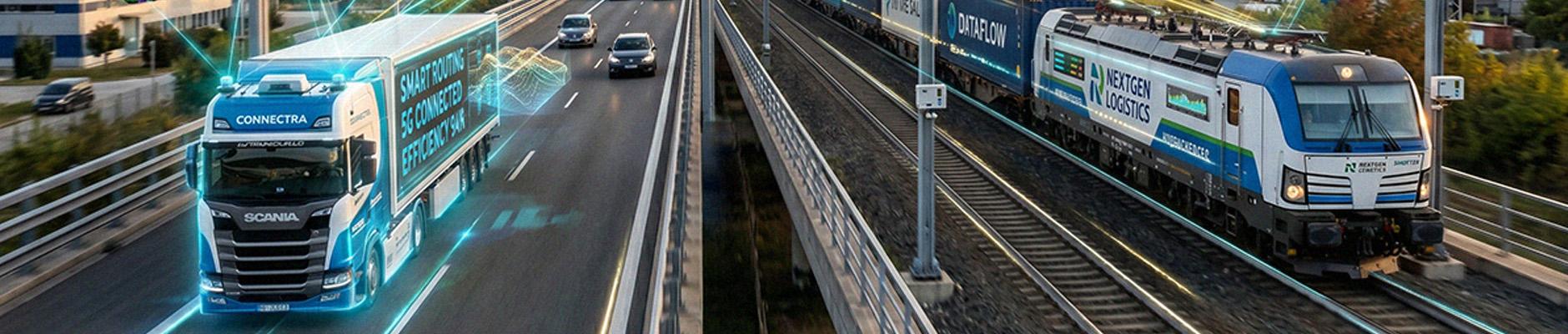
SITL - Salon International du Transport et de la Logistique - has long been one of Europe’s leading observatories on the changes affecting logistics and international trade. The 2026 edition, held in Paris, brought together logistics operators, freight forwarders, technology companies and supply chain specialists to discuss the transformations that are redefining global goods flows.
According to the organizers, the event involved over 25,000 industry professionals and more than 500 international exhibitors (Source: SITL Paris). These figures confirm the fair’s role as a key point of reference for those operating in transport, logistics and services related to international trade.
Among the companies attending the event was Custom Group, which took part in the fair to closely observe the evolution of the sector and engage with international operators and partners on the challenges reshaping supply chain management.
From the discussions that took place during the fair, several clear directions of change have emerged: process digitalization, the growing complexity of global supply chains and increased attention to regulatory compliance in international goods flows.
Digitalization and integration of logistics processes
One of the most recurring topics during SITL 2026 was the digitalization of logistics and administrative operations.
Today, managing international shipments requires the coordination of numerous players across the supply chain. Carriers, logistics operators, customs authorities and exporting companies need to share information and documentation increasingly quickly.
According to the DHL Logistics Trend Radar report, over 75% of logistics companies expect to increase their investments in digital technologies by 2026 (Source: DHL). The goal is to improve visibility over goods flows and automate the management of document-related processes.
During the fair, the growing adoption of digital platforms capable of integrating shipment tracking, document management and data exchange between the various players in the supply chain clearly emerged. These types of solutions help reduce administrative errors, speed up operations and improve control over international flows.
Global supply chains are becoming increasingly complex
In recent years, international supply chains have become increasingly articulated and vulnerable to external factors. Geopolitical crises, trade tensions and market instability have highlighted the importance of accurately managing logistics flows.
According to the World Bank Logistics Performance Index, the efficiency of logistics infrastructure and procedures is one of the main competitiveness factors for companies operating in international trade (Source: World Bank).
During SITL 2026, many talks emphasized how companies are seeking to make their supply chains more resilient by improving shipment control and strengthening customs and document management processes.
In an increasingly complex global context, the ability to ensure smooth, compliant import and export flows is a strategic factor for business continuity.
International transport and multimodal integration
Multimodality was another central theme in the debate that emerged during the fair.
An increasing number of companies are combining different modes of transport to optimize costs, delivery times and the sustainability of logistics flows. Road transport, rail and maritime transport are becoming increasingly integrated within complex logistics chains.
According to data from the European Commission, rail transport accounts for around 17% of freight transport in the European Union, but European policies aim to increase this share in order to promote more sustainable solutions (Source: European Commission - Transport statistics).
This evolution requires increasingly coordinated management of international shipments, especially when goods cross multiple borders and different modes of transport.
Regulations and sustainability: a growing challenge for companies
Another topic that strongly emerged during SITL concerns the impact of European regulations on logistics and international trade.
The transport sector is responsible for around 24% of global energy-related CO2 emissions (Source: International Energy Agency). For this reason, the European Union is introducing new policies to reduce the environmental impact of freight transport.
The European Fit for 55 plan sets a target to reduce emissions by at least 55% by 2030 compared with 1990 levels (Source: European Commission).
These policies are generating new operational and regulatory implications for companies managing import and export flows. Procedures, controls and documentation requirements are set to become increasingly complex, making accurate compliance management essential.
A look at the future of international logistics
Participation in SITL 2026 gave Custom Group the opportunity to engage with operators and industry professionals on how the dynamics of global logistics are evolving.
Process digitalization, greater integration between modes of transport and increasing attention to regulatory compliance are three elements that are set to have an ever greater influence on the management of international shipments.
For companies operating in international trade, understanding these transformations and adapting their operational processes is becoming a key factor in maintaining competitiveness and efficiency in an increasingly complex logistics environment.
Custom solutions for logistics
In the dynamic and constantly evolving context of global logistics, Custom Group stands out for its ability to offer integrated solutions that address the most complex operational challenges. A key example of this vision is SCL (Smart Charge Locker), an innovative platform that intelligently manages operational devices within the supply chain. SCL integrates charging, monitoring and device traceability, enabling companies to reduce downtime, improve the organization of flows and ensure operational continuity, particularly in complex environments such as logistics.